How to Plan a Multi-Day Hike on a Budget: UK Trains, Hostels and Pack Weight
A long-distance walk has a reputation for being expensive. It needn't be. The walking itself is free; what costs money is getting to the start, sleeping at the end of each day, and carrying more than you need. Get those three things right and a week on foot in the hills can cost less than a week sitting in a city. It just takes some planning before you pull your boots on.
Work backwards from the transport
Most walkers plan the route first and the journey second. Reverse that. Rural buses in Britain are sparse, seasonal and fond of changing timetable, and a trail that finishes eight miles from the nearest station is a problem you will be solving at seven in the evening with wet feet and a heavy pack.
So open the map and the transport network at the same time. Look for walks with a station or a bus stop at each end, or with a mid-route link that splits a long trail into two shorter, cheaper stages. Village shops, pubs and post offices are good markers of where you can resupply — and where a bus is likely to stop.
Check the day of the week before you commit. Sunday and bank holiday services are much thinner than weekday ones, and some seasonal buses run only in summer. A service that exists on paper in June may be gone by October.
Getting the most from UK trains
Trains are the best way to reach most trailheads, but the walk-up fare on the day can be eye-watering. Advance tickets are far cheaper, though they are tied to a specific train: miss it and you will usually be buying a new one. Buy in advance when your start date is fixed, and leave yourself margin.
- Book as early as you can and travel off-peak where the timetable allows.
- Check whether a Railcard suits you. Most give roughly a third off eligible fares and pay for themselves after a few journeys.
- Try split ticketing. Buying separate tickets for the legs of one journey is sometimes cheaper than a single through fare.
- Reserve your bike space when you buy the ticket. Many long-distance operators require a reservation and carry only a handful of bikes per train.
- Watch for engineering works. Rail replacement buses are common at weekends and rarely take many bikes.
If the fares confuse you, ask at a staffed station. A ticket office is often more helpful than an app, particularly when you are trying to connect a train with a rural bus.
Sleeping cheaply without sleeping badly
Accommodation is where a budget walk is won or lost. Three options do most of the work.
Hostels
YHA properties and independent hostels give you a dorm bed, a self-catering kitchen, somewhere to dry wet kit and often a locked store for a bike or a rucksack. Book ahead in summer and at weekends. A private room in a hostel can still undercut a B&B, and the kitchen means you cook rather than eat out.
Bothies and wild camping
Bothies are free, basic and unbookable: four walls, a floor and sometimes a fireplace. Take a mat, a sleeping bag, a stove and a torch, and leave the place cleaner than you found it. They fill up in bad weather, so have a backup plan.
A lightweight tent opens up campsites with basic backpacker pitches, often for the price of a couple of coffees, and gives you flexibility when plans change. Wild camping is a legal right across much of Scotland when done responsibly, away from enclosed land, buildings and roads. In England and Wales it is generally not a right, so ask the landowner or use a campsite. Either way, pitch late, leave early, and take everything with you.
Pack weight is a daily cost
Every kilo in your pack is a tax you pay on every step, every climb and every boggy mile. Aim for a base weight — everything except food and water — of under about 10kg, and less if you are small or new to this. Keeping the loaded pack below roughly a fifth of your body weight is a sensible rule of thumb.
Weigh everything at home with a luggage scale, lay it out, then take a third of it away. The usual offenders:
- Spare clothing. Two sets of walking clothes will do a week, plus one dry set for the evening.
- Cooking kit. If you pass shops every couple of days, supermarket food is lighter and cheaper than a stove, fuel and pans.
- Electronics. One charger, one cable, one battery pack. Not three.
- "Just in case" items. Rope, a second torch, an enormous first aid kit, spare boots.
- Water. Carry a litre and refill as you go rather than hauling three up a hill.
Multi-use kit earns its place: a buff that doubles as a hat and a pot grip, a shelter that works as a groundsheet. Walking with someone? Split the tent, stove and fuel between you.
Food, water and the small stuff
Resupply every two or three days rather than carrying a week of food. Oats, bread, cheese, nuts, dried fruit and a couple of treats will keep you moving. Eating in a pub every night is a pleasure, and an expensive one — aim for one proper meal a day and cook or picnic the rest. Village shops cost more than town supermarkets and often shut early, or all day Sunday.
Water is rarely a problem on UK walks, but treat it if you are unsure about the source. Cafes and pubs will usually fill a bottle if you ask. Carry some cash for honesty boxes, rural buses and small shops that have never quite got round to card readers.
One sensible note: if you have a medical condition, a long-standing injury or you are planning remote ground alone, speak to your GP or a qualified outdoor professional about what is realistic for you, and check what your insurance actually covers. Good planning beats guesswork where health and money are concerned.
The night before you go
Save your tickets offline and print them if you can. Confirm your bike reservation and your first night's bed. Write down the phone numbers for your accommodation, because signal in the hills is unreliable and a landline number in a village is worth more than a booking app. Check the forecast and identify one or two points where you could leave the route early if the weather turns.
Then tell someone where you are going, which route you are taking and when you expect to finish. A short message to a friend is the cheapest safety equipment you own. Do these small things well and the miles stop being an expense to be managed and become what they should be: a long, unhurried walk through some of the best country you can reach by train.
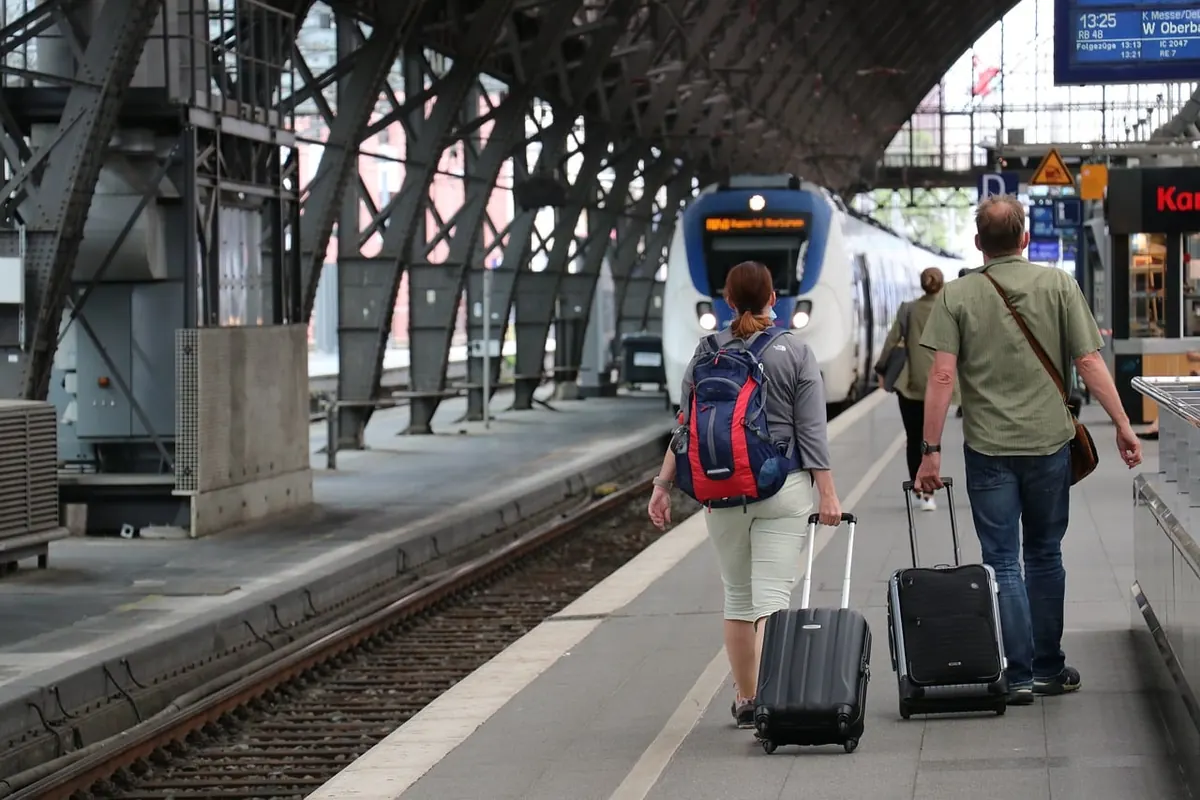
Photo: FarahimGasimov / Pixabay